Why branded microdramas are suddenly everywhere
Plus: Heineken's agency shake-up, brands battling gas prices, sports teams using AI for fan data and McDonald's pickle juice campaign

Brands are experimenting with new formats and technologies to reach audiences more efficiently—through scripted entertainment, data-driven personalization and unconventional product extensions.

Heineken consolidates its agency roster
The gist: Heineken retained Dentsu for its estimated $550 million global media business following a competitive review, while consolidating creative work across Publicis Groupe, WPP and Stagwell. The move is part of Heineken’s strategy to work with fewer, deeper agency partnerships for speed and efficiency.
Why it matters: The retention provides a critical win for Dentsu, which posted its worst annual loss last year and lost major accounts, including Microsoft. The consolidation reflects broader industry pressure on marketers to streamline agency rosters and move faster in bringing campaigns to market.
What this means for you: “Moving to fewer, better and bigger agency partners is part of our broader commercial transformation,” Bram Westenbrink, chief commercial officer at Heineken, said in a statement.

Brands are making microdramas now—here’s what it takes
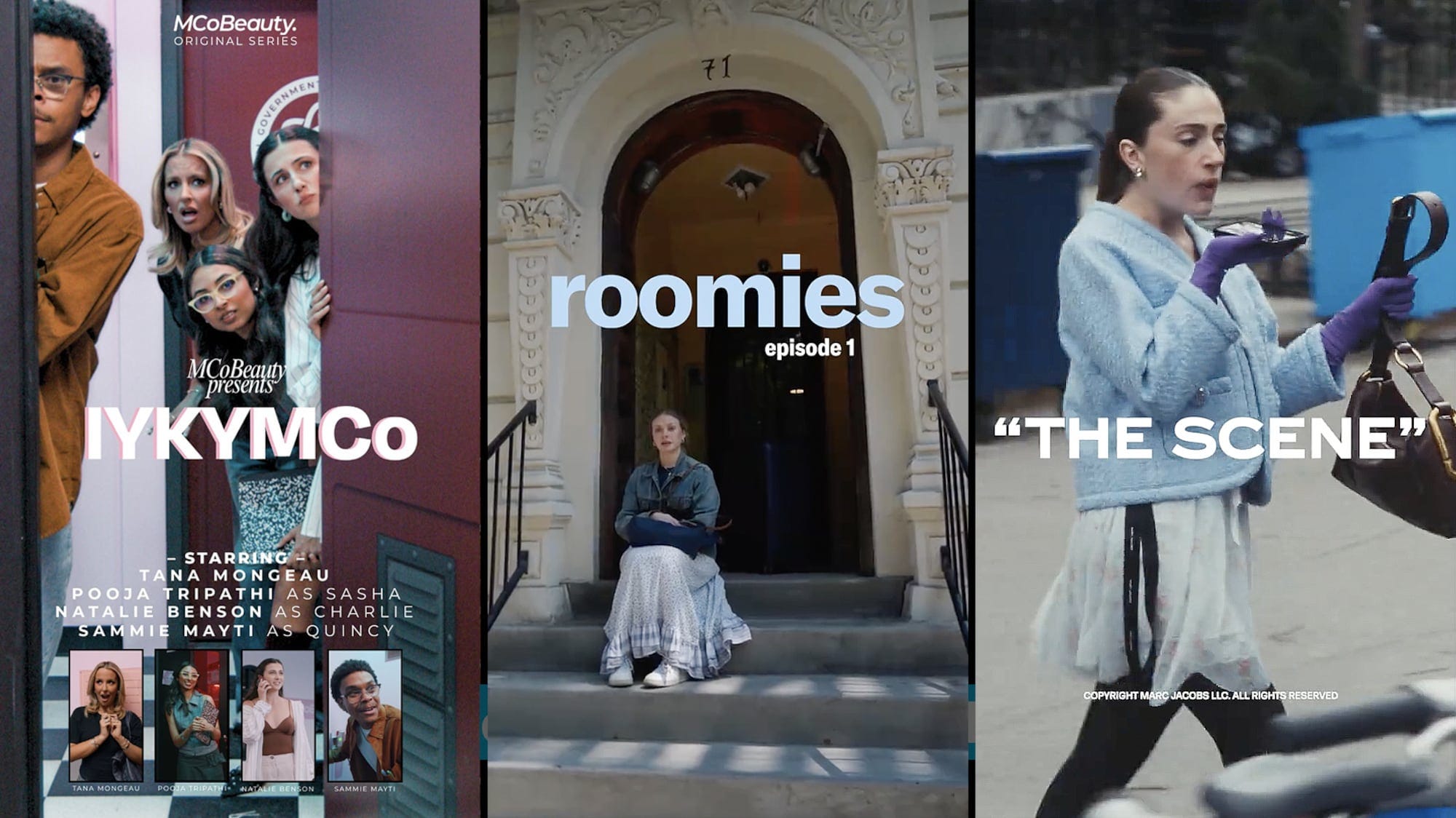
The gist: Brands including Marc Jacobs, Crocs, MCoBeauty and P&G’s Native are producing short-form scripted series called microdramas—typically two to four minutes per episode—requiring Hollywood-level production quality, strategic casting and rapid turnaround times. The format, which originated in China and has grown into an $11 billion global market, demands external production teams, actors over influencers and content ecosystems that extend beyond the episodes themselves.
Why it matters: Microdramas represent a shift from one-off campaign videos to ongoing narrative universes that keep audiences engaged across multiple touchpoints. Marketing leaders say brands now need content supply chains as sophisticated as their product supply chains to react quickly to culture and maintain relevance.
What this means for you: If you’re exploring microdramas, expect your first attempt to fail—test concepts organically before investing in paid amplification, and prioritize story over brand messaging to create something audiences actually want to watch.

Sports teams are turning fan data into ad dollars
The gist: Sports organizations are deploying AI to personalize fan experiences and monetize data in new ways. The San Francisco 49ers launched an AI chatbot named Sourdough Sam that adapts responses based on fan behavior; the Portland Trail Blazers use AI to triage fan feedback within 24 hours for real-time social campaigns; and the Indiana Pacers built the first sports retail media network using fan data to target ads when interest peaks.
Why it matters: Sports fans’ constant engagement and willingness to exchange information for tailored experiences make them ideal audiences for AI-driven personalization. Teams are shifting from focusing on local interest to becoming national and global brands by using fan data to reach audiences beyond traditional geographic limitations.
What this means for you: For brand sponsors, sports partnerships now offer access to sophisticated first-party data and targeting capabilities that extend beyond stadium signage. Consider how fan behavior signals and retail media networks can help you reach highly engaged audiences at moments of peak interest.

Gas prices are changing how people shop
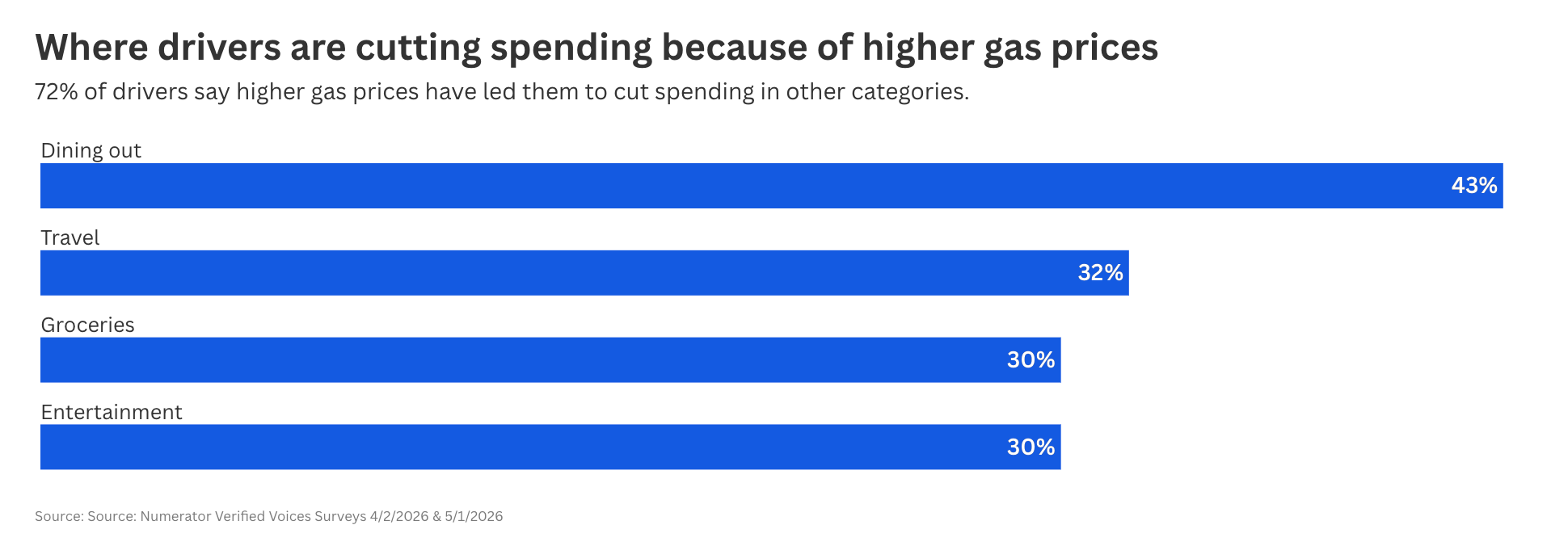
The gist: Gas prices averaged $4.52 per gallon on May 13—43% higher than a year ago—prompting consumer pullback in categories including dining, travel and groceries. Numerator data shows 72% of drivers have cut spending in other categories due to higher gas prices, with executives at Domino’s, Chili’s parent Brinker International and other companies citing fuel costs as reasons for weaker sales.
Why it matters: While some brands like Disney and Starbucks haven’t yet seen major behavioral shifts, the rapid consumer response to gas price increases introduces new uncertainty for marketers planning campaigns and forecasting demand. Companies, including Whirlpool and Unilever, are already raising prices to offset rising input costs.
What this means for you: Monitor how gas prices affect your target consumers’ discretionary spending. Low-income audiences will feel pressure first, but sustained increases could eventually impact behavior across income levels and force brands to adjust messaging and promotional strategies.

McDonald’s is bottling pickle juice for athletes
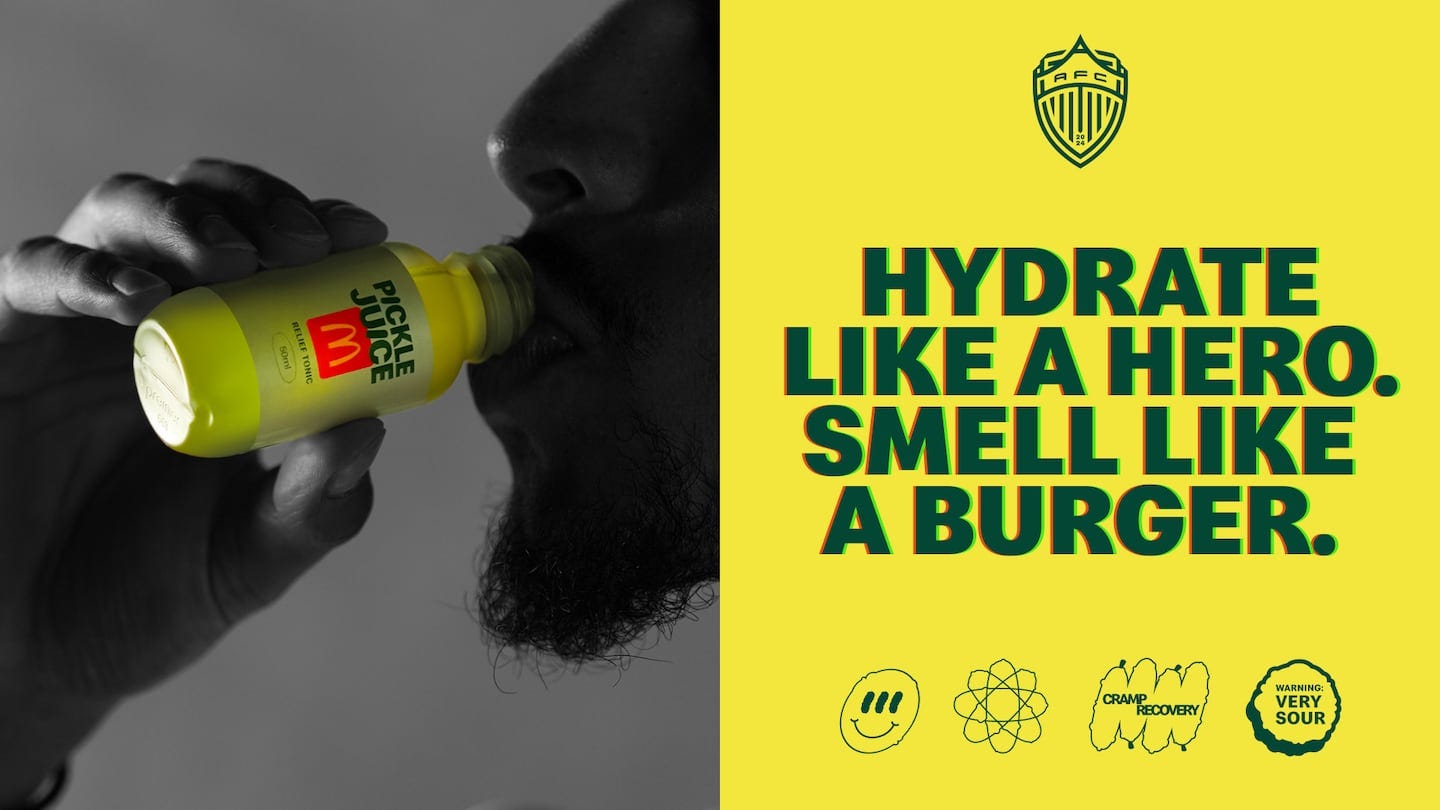
Your weekly inspo: McDonald’s New Zealand partnered with soccer club Auckland FC to repurpose leftover pickle brine from its kitchens and supply it to players as an anti-cramping remedy. The campaign, created by McCann and promoted by FleishmanHillard Aotearoa, distributed pickle juice packs to over-40s sports clubs through social media giveaways and in-stadium activations.