

Your Cannes Lions starter guide
Everything you need to know before advertising’s big festival


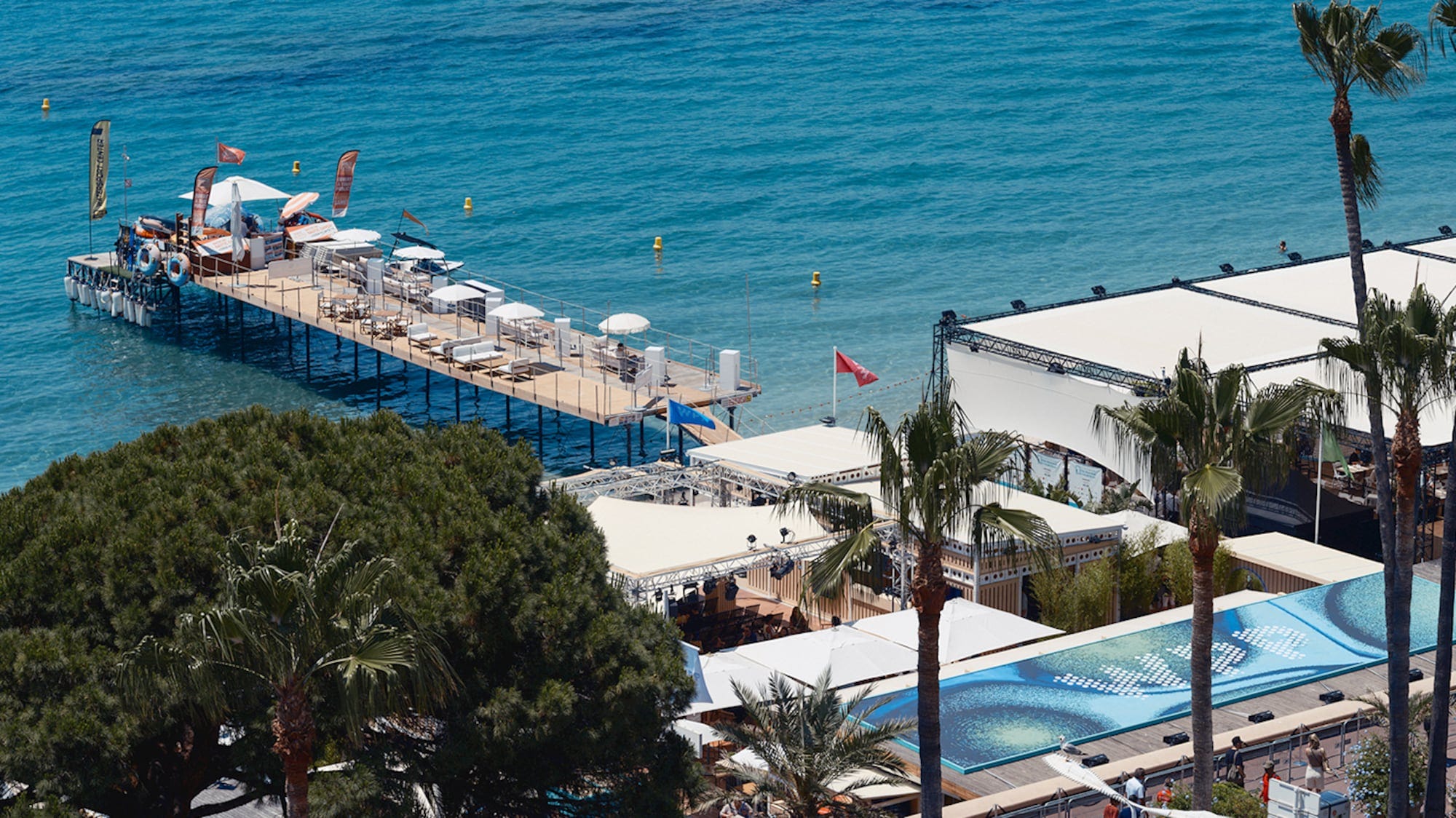
Good morning ☀️ It’s Parker from Ad Age, with your kickstart to Cannes season. With about two weeks to go until the industry descends upon the French Riviera starting June 22, Ad Age has been breaking down the nuts and bolts of attending—from scheduling hacks for newbies to predictions for what work will win the big prizes and events you can’t miss on the ground.
My colleague Erika Wheless created a comprehensive FAQ on the Cannes Lions International Festival of Creativity. You can read the full guide for free on Ad Age, including insights on how the awards are judged, past controversies and more, or I’ve collected a few basics below. Click the button below to dive in!
How do you pronounce Cannes?
The name of the festival is pronounced “kan,” like a can of soda. The “s” at the end is silent.
What is the Cannes Lions International Festival of Creativity?
The Cannes Lions International Festival of Creativity is the biggest awards event in advertising. Established in 1954 as the International Advertising Film Festival, it was inspired by the Cannes Film Festival, which started several years earlier.
Cannes Lions was first held in Venice, Italy, followed by a second year in Monte Carlo. It would alternate between Cannes and Venice before establishing Cannes as its permanent home in 1984. The festival’s trophies were inspired by the lion adorning Venice’s Piazza San Marco.
The festival’s primary objective is to award and recognize the best work in creative advertising, but it has evolved to become a networking event for marketers, agency executives, up-and-coming creatives, tech firms, creators and trade journalists. Attendees can expect panel discussions about trends, the state of the industry and more, as well as parties, dinners, experiential activations and plenty of rosé.
How much does it cost to attend the Cannes Lions?
As in past years, prices for attendance have gone up, along with airfare (good luck if you have not yet purchased a plane ticket). Last year, a pass to attend the Cannes Lions International Festival of Creativity started at 4,295 euros (about $4,864) and ranged up to 10,945 euros ($12,395) for premium access. This year, a classic pass starts at 4,465 euros (about $5,178) and goes up to 16,089 euros for a combined platinum, creator and sport pass ($18,659). By comparison, in 2023, passes started at just under 4,000 euros (about $4,300).
Discounts are available for groups, students and professionals under 30 working in the industry. But keep in mind that prices do not include airfare or lodging in the area, which can cost thousands of dollars.
Despite the cost of attendance and any additional branded presence at the festival, agencies say Cannes is worth it for the networking opportunities, especially for early-career professionals, small agencies and creators, for whom the festival can create pipelines for new business, relationships and partnerships.
Do creators go to Cannes?
Yes. This year, Lions Creators—the festival’s creator-economy programming track, introduced in 2024—has been moved from an isolated (and stiflingly hot) rooftop space at the Palais to a larger footprint on the beach. All the major social media players are also hosting panels, parties and networking mixers this year aimed at creators.
TikTok, for instance, is hosting a session on Monday evening that will pair up creators and brand marketers to discuss potential collaborations. Creators slated to speak throughout the week include Zoe Unlimited, Adrian Per, Dhar Mann and “Career Ladder” host Max Klymenko.
Are there opportunities for students or young professionals at Cannes Lions?
For young professionals, the festival has programming celebrating upcoming creatives and students, as well as competitions such as the Young Lions competition and Future Lions competition. Several Lions Academies aim to help rising young talent through classroom sessions with industry speakers, hands-on learning and coaching.
The festival offers a Brand Marketing Academy certificate program, a Creative Academy and the Roger Hatchuel Student Academy for students interested in entering the advertising industry, each for those under the age of 30. For each of these programs, candidates must apply in advance.
Elsewhere, the Young Lions competition opened to all creatives under the age of 31 before the festival, featuring seven categories in design, digital, film, marketing, media and PR in which participants were given a brief to execute.
Want to read the full guide? Check it out on Ad Age for free.